 French
 Deutsch
 Italia
 English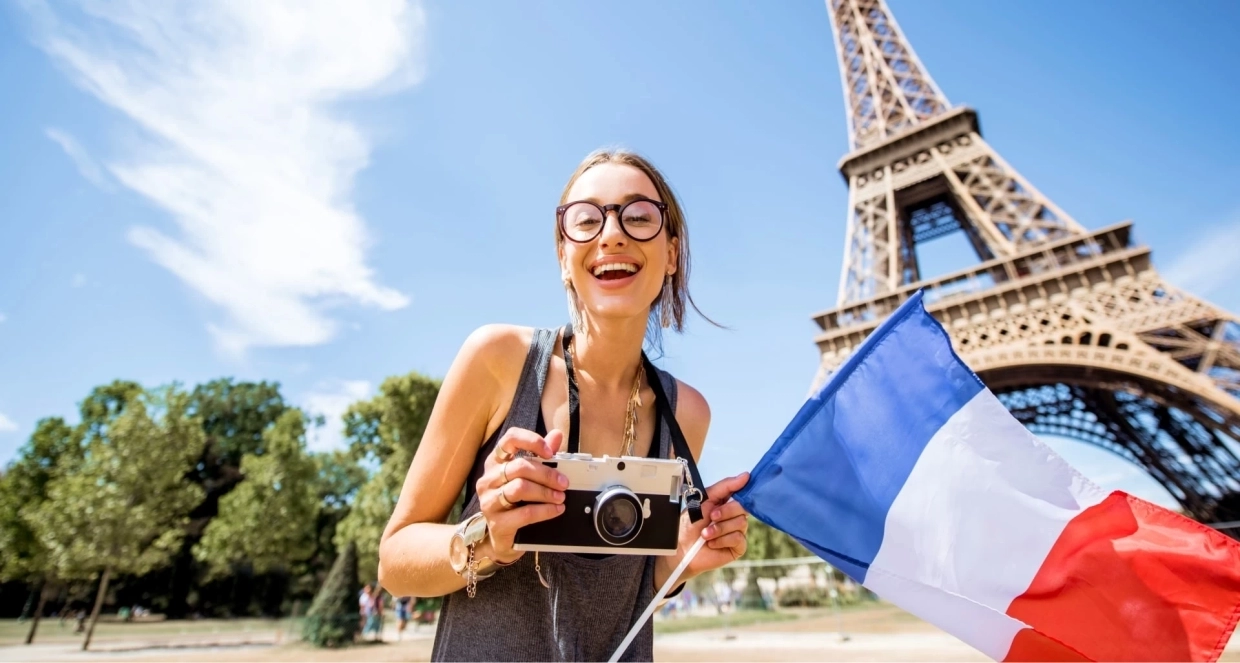
The Eiffel Tower, or La Tour Eiffel, stands not only as the most recognizable symbol of Paris but as a universal emblem of architectural ingenuity and cultural pride. Located on the Champ de Mars beside the River Seine, this iron lattice tower has captivated visitors from around the world since its completion in 1889. Welcoming nearly seven million visitors annually, the Eiffel Tower is a beacon of modern engineering, an artistic marvel, and a beloved landmark that defines the Parisian skyline.
Origins and Historical Evolution
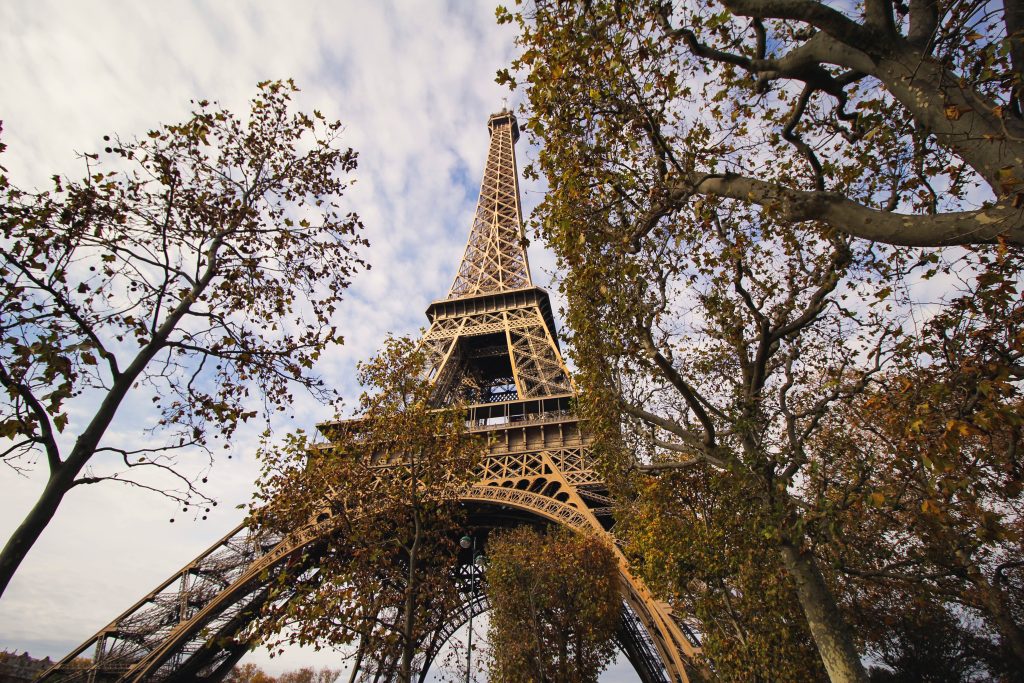
The Eiffel Tower was conceived as the centerpiece for the 1889 Exposition Universelle (World’s Fair), held to commemorate the centennial of the French Revolution. Gustave Eiffel, a renowned engineer, spearheaded the project despite early public criticism. Designed by Maurice Koechlin and Émile Nouguier, the tower was initially met with skepticism, with detractors calling it an eyesore. Yet by the time of its unveiling, it was celebrated as a technological triumph.
Constructed in just over two years using 18,038 individual iron parts and 2.5 million rivets, the tower stood as the tallest man-made structure in the world until New York’s Chrysler Building overtook it in 1930. Originally intended to be dismantled after 20 years, its utility as a radio transmission tower secured its permanence in the Parisian landscape.
Architecture and Layout
Standing at 330 meters (1,083 feet) tall, the Eiffel Tower comprises three visitor-accessible levels. The first floor features immersive exhibitions, a glass walkway, and dining facilities. The second floor offers panoramic views of Paris and elegant restaurants. The summit, accessible by elevator only, includes Gustave Eiffel’s reconstructed office and the highest observation point in the European Union.
Its intricate lattice design not only provides structural strength but also imparts an airy lightness that defies the mass of 7,300 tons of iron. Constant maintenance, including regular repainting every seven years, keeps the structure rust-free and resplendent.
Cultural Significance and Legacy
Beyond its architectural allure, the Eiffel Tower has served a multitude of functions: a scientific observatory, a military radio tower, and a symbol of resistance during both World Wars. It has inspired countless artists, filmmakers, and writers, and remains a source of national pride for the French people.
The tower has also become a central site for cultural events, including light shows, New Year’s Eve celebrations, and international commemorations. It is often lit in colors that support global causes or express solidarity with other nations.
Visitor Experience
Exploring the Eiffel Tower is a multi-sensory experience. Visitors can ascend via elevators or stairs to the second floor. Each level provides increasingly breathtaking views of the Paris skyline, with landmarks such as the Seine, Sacré-Cœur, Notre-Dame Cathedral, and the Arc de Triomphe visible in every direction.
The tower also features exhibitions, dining options, and boutiques, all designed to enhance the visitor experience. Evening visits offer the added magic of the tower’s illumination, culminating in a sparkling light show that occurs every hour after nightfall.
Modernization and Digital Integration
While its foundation is rooted in 19th-century engineering, the Eiffel Tower continues to evolve with the times. A comprehensive digital platform allows guests to book tickets online, access historical content, and take virtual tours. During the pandemic, the tower’s online presence ensured its continued role as a cultural touchstone.
Ongoing sustainability initiatives, including LED lighting and waste reduction programs, highlight the tower’s commitment to responsible tourism.
A Tower of Timeless Appeal
The Eiffel Tower is more than a monument—it is a living symbol of progress, resilience, and artistry. Whether viewed from a nearby park bench or gazed upon from atop its summit, the tower offers every visitor a profound sense of wonder. It is a place where romance meets reason, where engineering meets emotion, and where Paris speaks to the world in iron and light.
As Gustave Eiffel once said, “I ought to be jealous of the tower. She is more famous than I am.” Indeed, the Eiffel Tower continues to inspire awe across generations and borders, proving that great design can transcend time.